Pennsylvania Skill Game Enforcement Forces Local Businesses to Rethink Customer Traffic
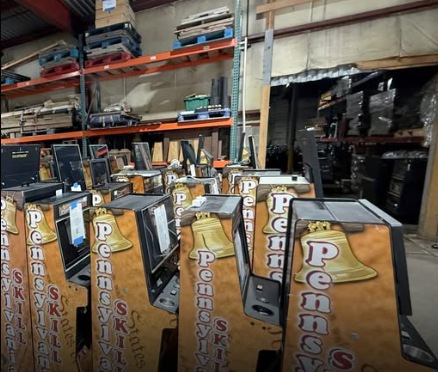
Photo: Reader-submitted.
Pennsylvania’s enforcement against unauthorized skill games is forcing distributors and neighborhood businesses to rethink a revenue stream they spent years building.
For Joe Rocca, owner of Rite Touch Distribution in East Carnegie, the impact has been immediate. According to the supplied Post-Gazette report, Rocca removed the machines his company supplied across Pennsylvania and expects to lay off his remaining employees. After 18 years in business, he faces unsold inventory and an uncertain future.
Enforcement began October 14, following the Pennsylvania Supreme Court’s June 15 ruling that the devices qualify as slot machines under state law. The court allowed a 120-day transition period before enforcement. Pennsylvania State Police now say unauthorized machines outside the state's licensed casinos are subject to seizure and operators may face prosecution.
State police have reached agreements with six operators and distributors that need additional time to dismantle their operations. Those agreements require machines to be disabled, inventories disclosed and removal progress reported. The arrangements provide time to remove equipment, rather than permission to continue operating it.
For brick-and-mortar stores, the challenge extends beyond removing equipment. Owners must consider what will bring customers through the door next—and what will give those customers a reason to return.
A supplemental customer engagement product such as Touch Won could play a role in that strategy, where its use is lawful and appropriate.
Touch Won presents its platform as a loyalty rewards program built around a business’s unique coin code. Customers use that code to join the business’s rewards program, while vendors can build their customer list and share updates, rewards and special offers.
For a neighborhood store, restaurant, laundromat or car wash, the opportunity is to connect that digital relationship to the physical location. An owner could promote the program at checkout, introduce it to existing customers and use permitted communications to highlight store events, new products or reasons to visit again.
The purpose would be to supplement the business’s core offering: a meal, a convenient purchase, a clean car or a service customers already need. A rewards program becomes more useful when it reinforces that experience and keeps the business familiar between visits.
That approach should be measured. Owners can track customer signups, repeat visits and purchases to determine whether the program brings additional business through the door. Participation alone does not establish that sales have increased.
Touch Won’s description as a rewards platform does not establish its legal status in Pennsylvania or make it an approved replacement for prohibited skill games. Businesses considering it should have the specific program—including how coins, purchases, prizes and redemptions work—reviewed for compliance before introducing it.
Pennsylvania’s crackdown has created a difficult turning point for businesses that relied on skill games. Moving forward, customer relationships deserve renewed attention. Used appropriately, a supplemental product such as Touch Won could help local owners stay connected with customers and give them another reason to come back.